

 PRA
PRA 
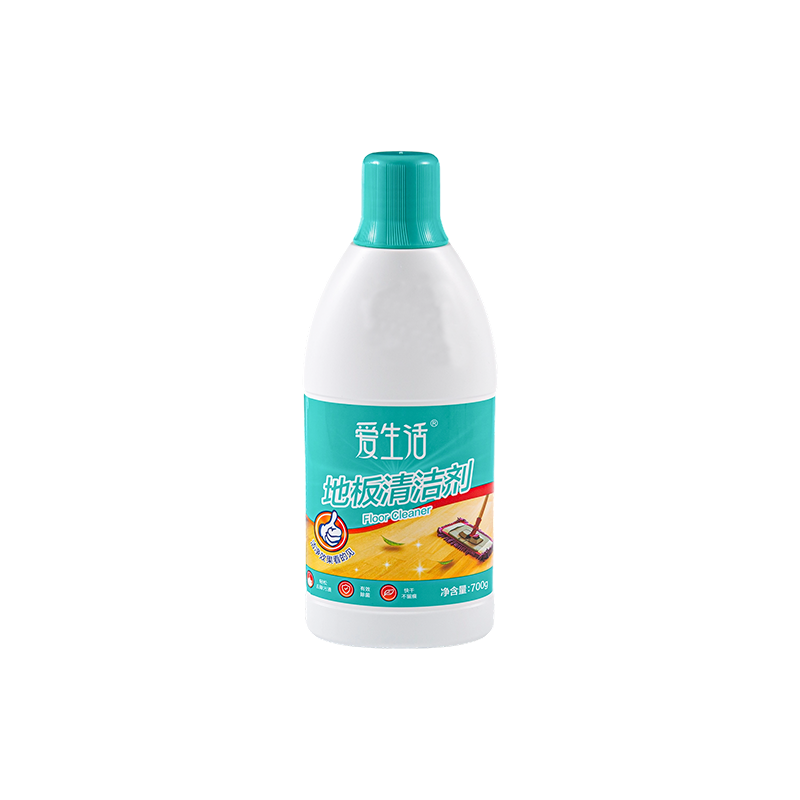
Botol pembersih lantai PE 700ml ini menonjol karena bahan PE food grade, fitu...
Produk
Pabrik Kemasan Botol Plastik
-
-
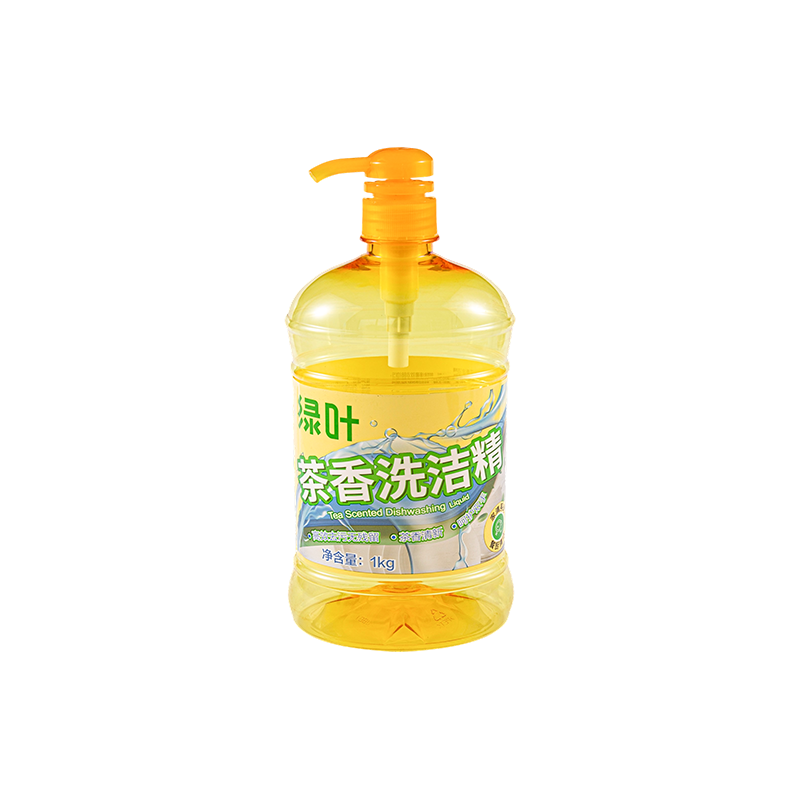 Botol PET cair pencuci piring 1000ml
Botol PET cair pencuci piring 1000ml merupakan pilihan praktis untuk dapur ru...
-
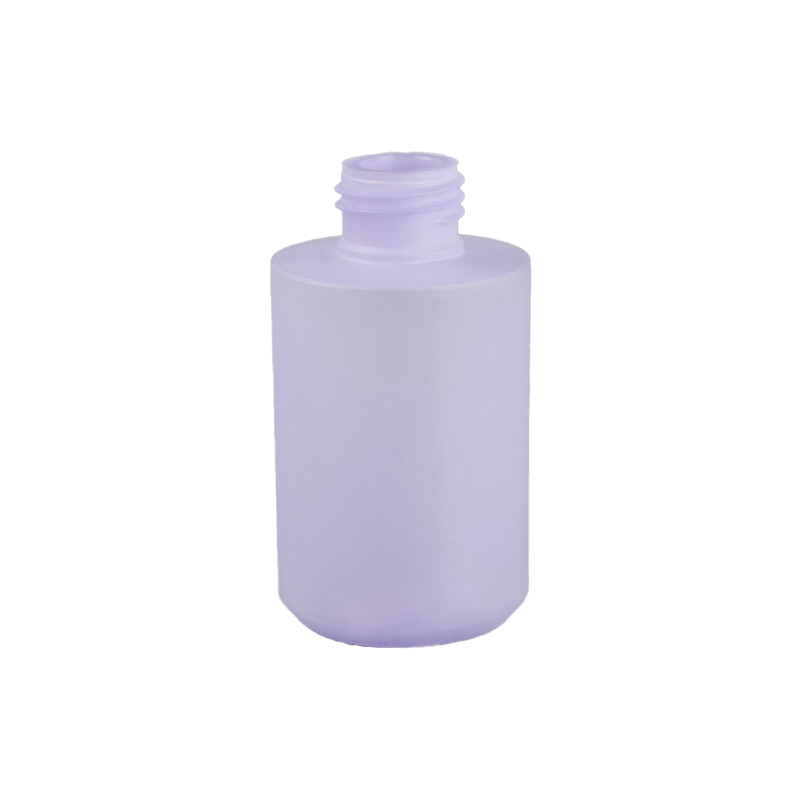 Botol PE silinder 100ml
Botol PE silinder 100ml adalah solusi pengemasan praktis yang dibuat dari bah...
-
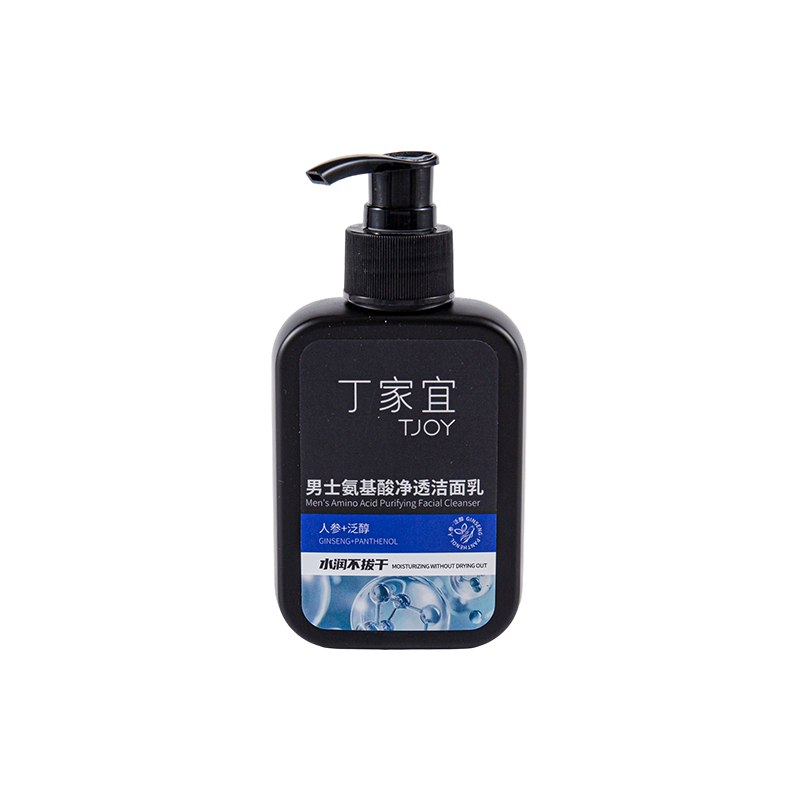 Botol PE pembersih 150ml
Botol PE pembersih 150ml ini, dengan bodi persegi dan pompa hitam, mewujudkan...
-
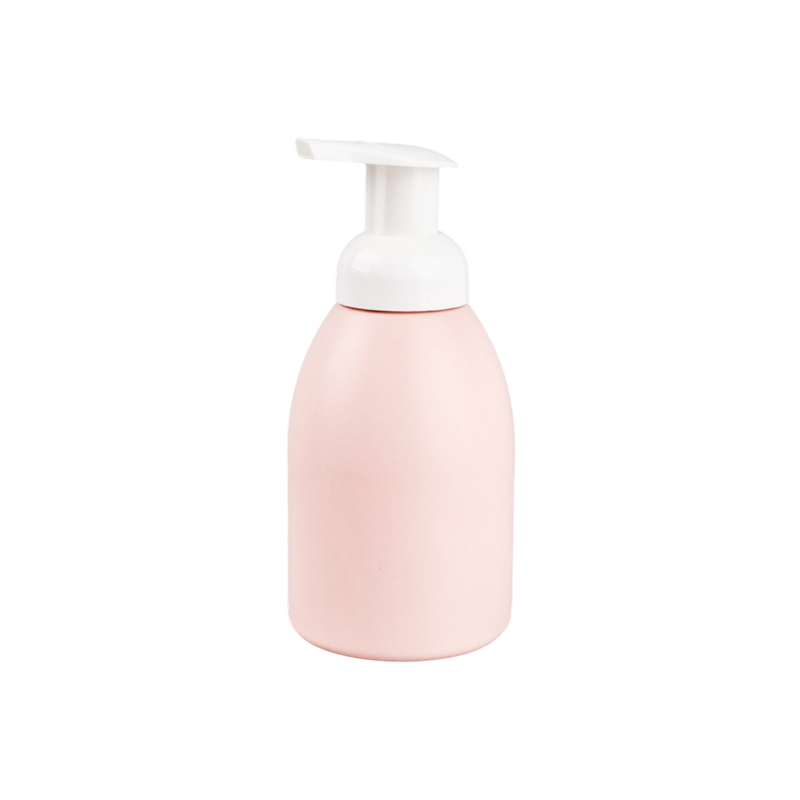 Botol PE body lotion mulut besar 350ml
Botol PE body lotion mulut besar 350ml merupakan solusi kemasan praktis yang ...
-
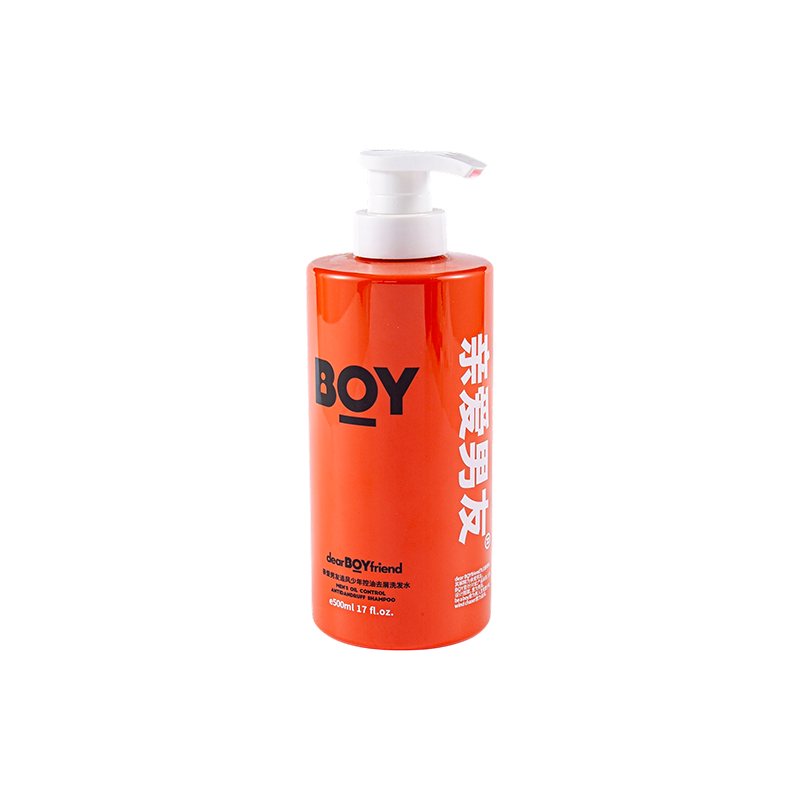 Botol PET sampo 500ml
Botol PET sampo 500ml ini adalah pilihan ideal untuk kemasan yang estetis dan...
-
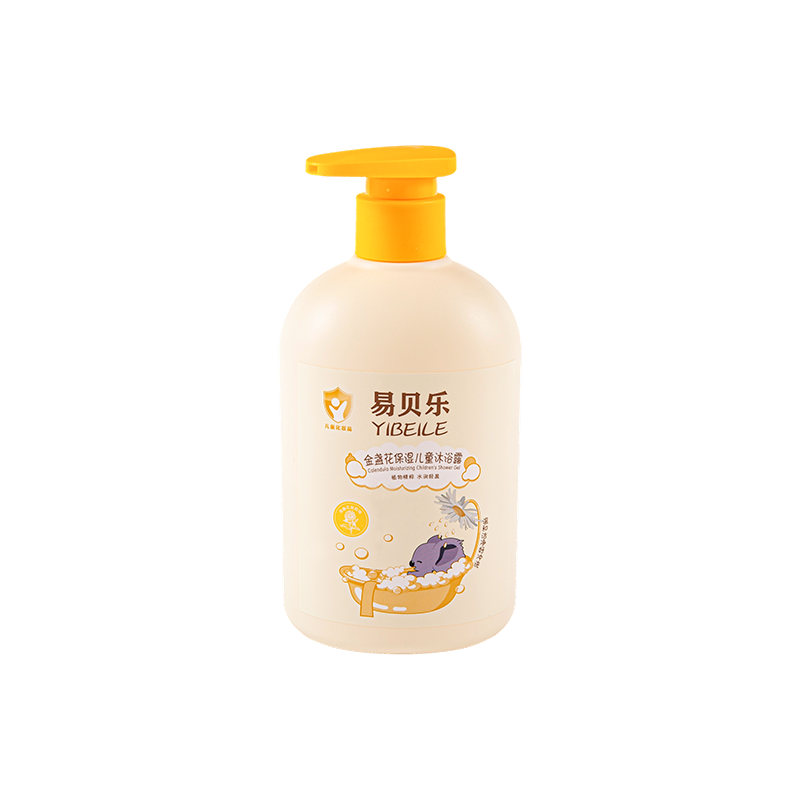 Botol PE gel mandi 500ml
Botol PE shower gel 500ml ini terbuat dari PE food grade, menjamin keamanan d...
-
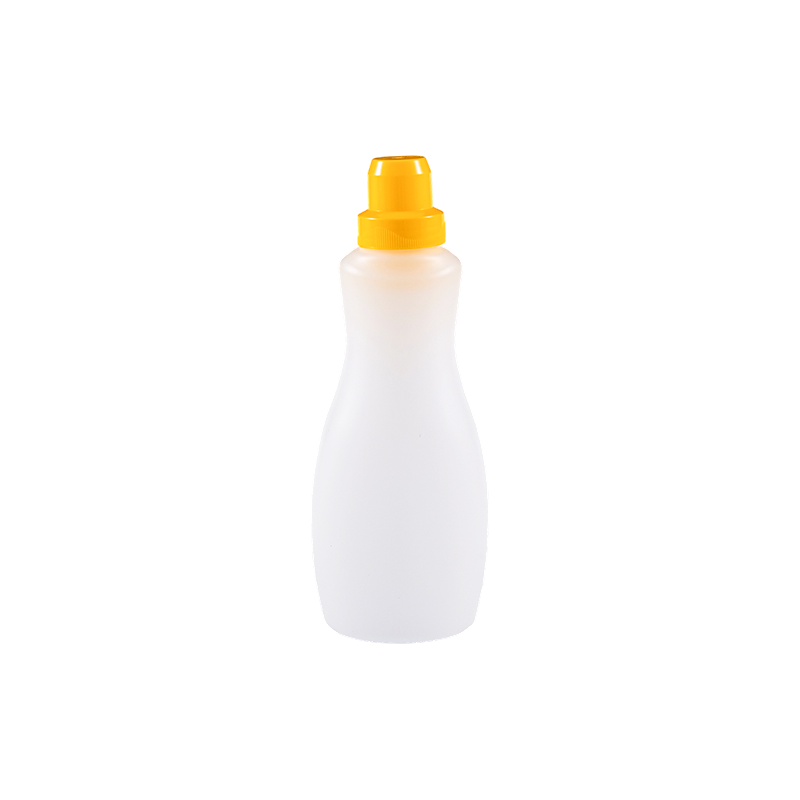 Botol PE pembersih lantai 700ml
Pembersih lantai botol PE 700ml ini memiliki bodi putih ramping dan tutup kun...
-
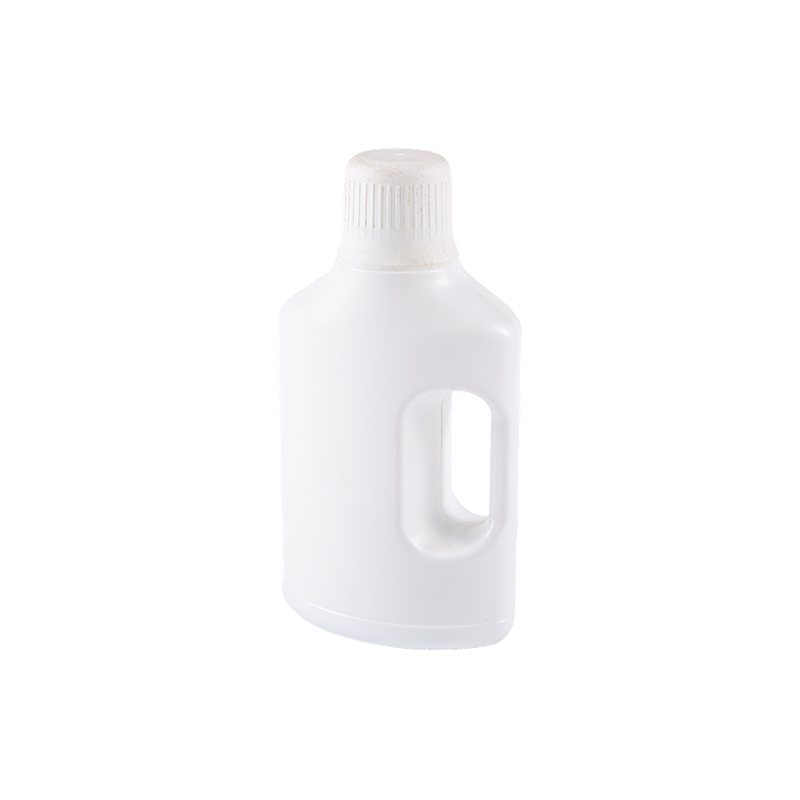 Botol desinfektan PE 500ml
Botol desinfektan PE 500ml ini dirancang khusus untuk desinfeksi kimia sehari...
-
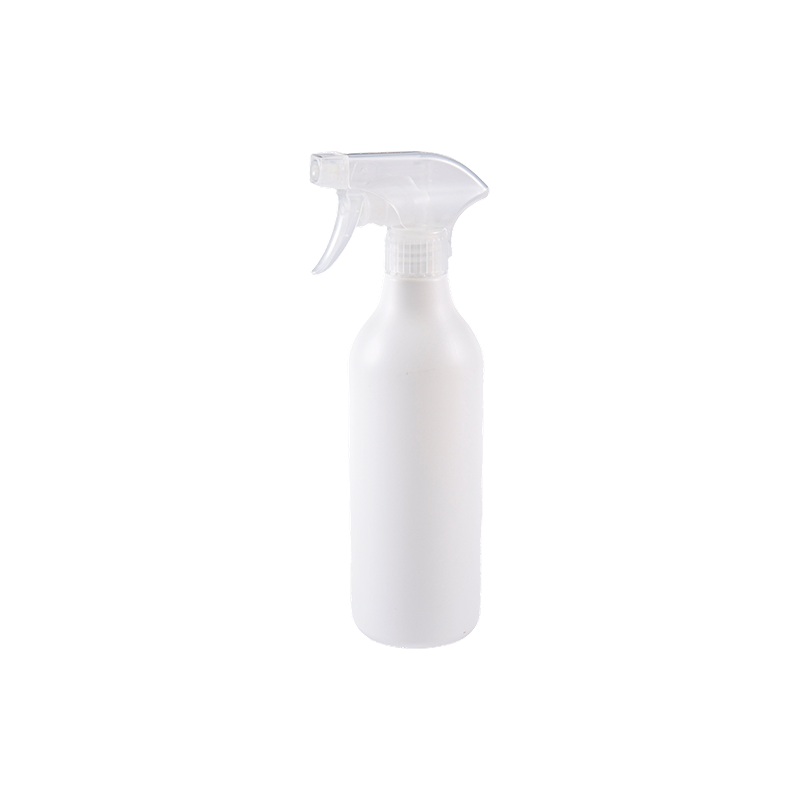 Botol semprot PE 500ml
Botol semprot PE 500ml ini terbuat dari bahan food grade sehingga menjamin ke...
-
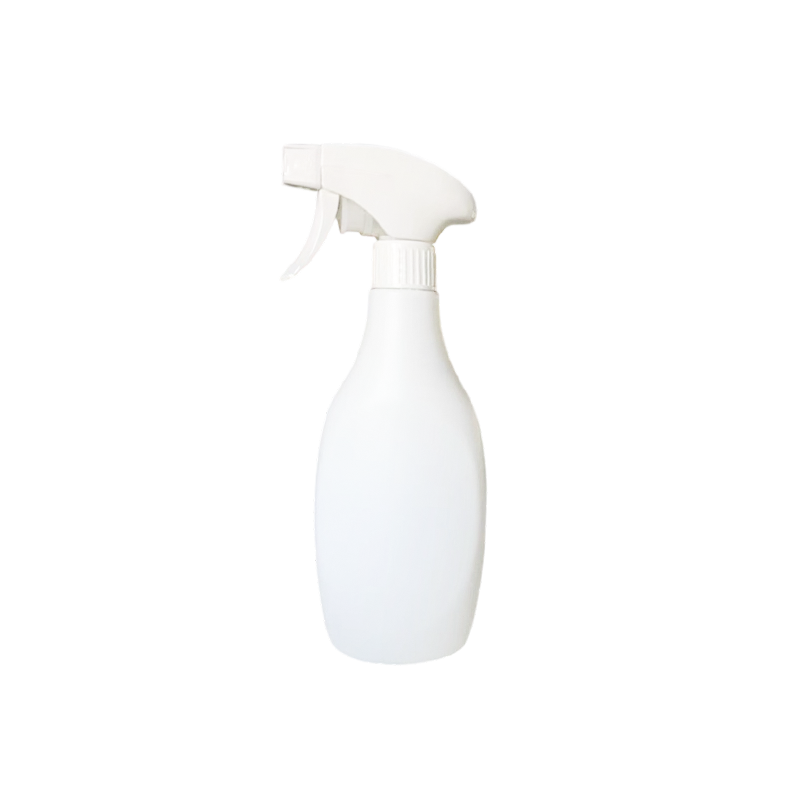 Botol PE semprot kesederhanaan putih 400ml
Botol PE semprot kesederhanaan putih 400ml ini memiliki desain praktis yang m...
-
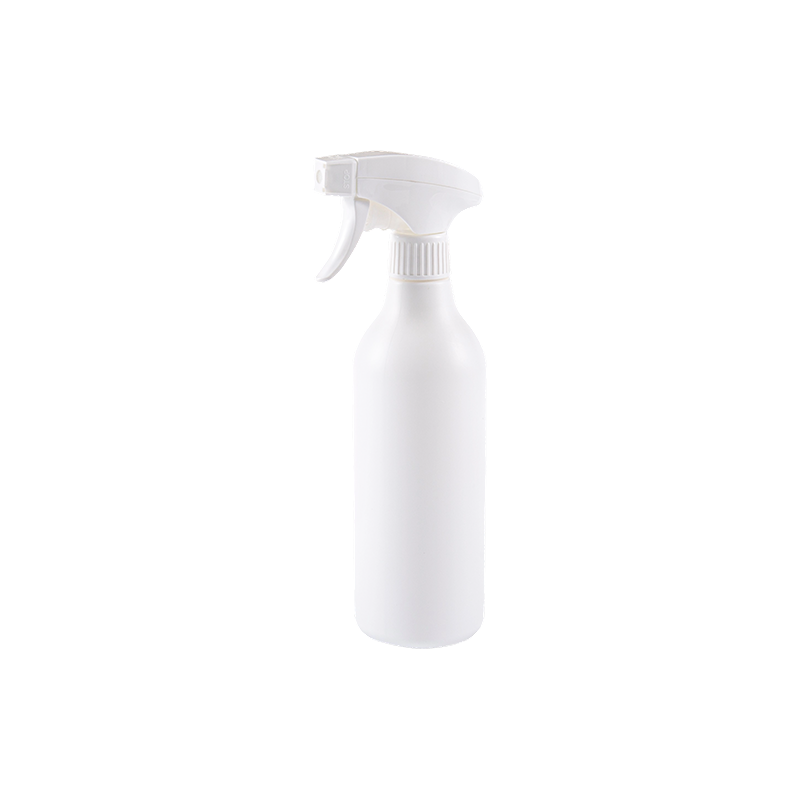 Botol semprot bahan keras 500ml
Botol semprot berbahan keras 500ml dari PE ini adalah pilihan ideal karena da...
Brotherpacking
Dibuat oleh BrotherPacking, Dibangun dengan Kecerdasan
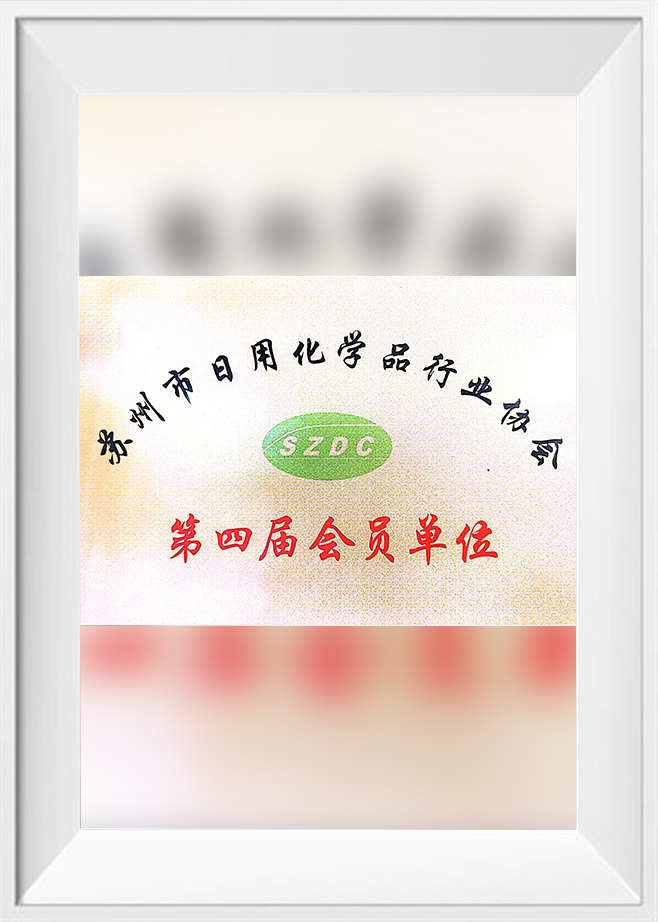
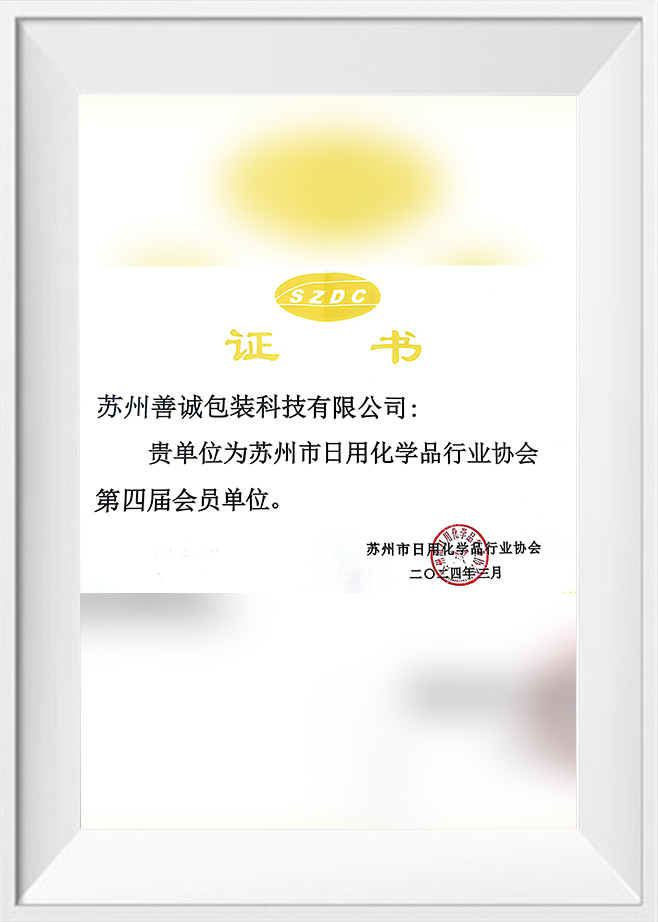
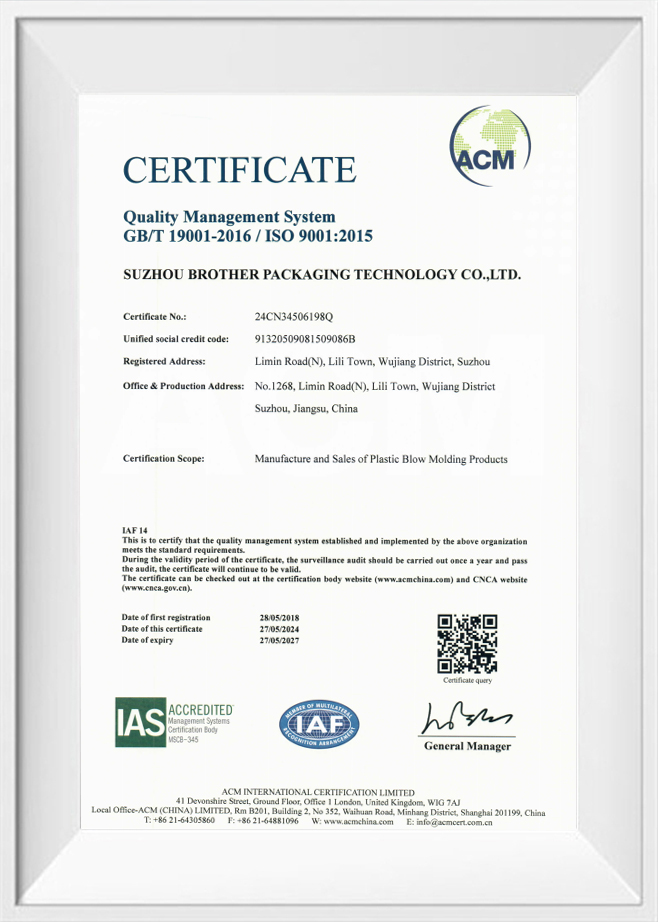
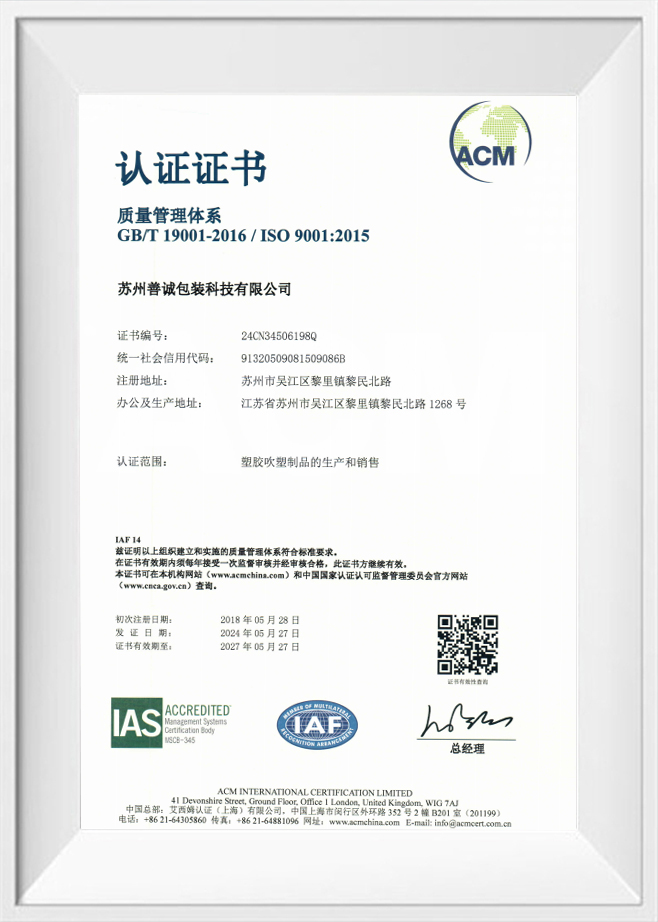
Didirikan pada tahun 2013, Suzhou Shancheng adalah produsen profesional botol dan toples plastik untuk produk kimia sehari-hari, melayani berbagai sektor termasuk pembersih rumah tangga, perawatan pribadi, kosmetik, makanan, dan farmasi. Dengan pengalaman 25 tahun di industri kemasan plastik, kami telah mengembangkan sistem riset dan produksi yang lengkap, menyediakan solusi produksi botol plastik dari awal hingga akhir, termasuk desain cetakan, pengembangan produk, cetak injeksi dan cetak tiup, sablon dan pelabelan, serta perakitan akhir. Perusahaan dilengkapi dengan 100 lini produksi profesional, mencakup area seluas 20.000 meter persegi, dengan hasil harian 300.000 botol plastik dan produksi tahunan 250 cetakan untuk berbagai tutup multi-rongga dan toples krim, memenuhi beragam kebutuhan kemasan plastik dari merek-merek kimia sehari-hari dan perawatan kulit kelas atas.Pabrik Kemasan Botol Plastik dan Solusi Botol Kemasan Kosmetik KustomBotol Kemasan Plastik Kimia Sehari-hari Grosir Produk kami telah memperoleh 31 paten nasional dan memenuhi persyaratan sertifikasi internasional ISO 9001 dan QS. Dengan kualitas unggul dan layanan prima, kami telah menjalin kemitraan dengan 20 merek kimia sehari-hari terkemuka dan telah mengekspor ke 15 negara di Asia Tenggara, Eropa, dan Amerika.
-
25+
Tahun Pengalaman Industri
-
20000㎡
Fasilitas Manufaktur
-
150+
Karyawan Terampil
-
100+
Mesin Produksi Canggih

Umpan Balik Pesan
Berita
-
Mengapa Wadah Obat Seringkali Setengah Kosong Siapa pun yang telah membuka botol pil dan melihat ruang ekstra di atasnya mungkin bertanya-tanya apakah ada kekurangan dalam pembeliannya. Pada kenyataannya, ruang kosong ini, yang dikenal sebagai headspace, merupakan keputusan desain yang disenga...
BACA SELENGKAPNYA -
Mengapa Pilihan Kemasan Penting untuk Merek Bubuk Protein Bubuk protein adalah produk yang sangat sensitif yang terkena udara, kelembapan, dan penyendok berulang kali setiap kali konsumen menggunakannya. Berbeda dengan suplemen sekali pakai, wadah bubuk protein dibuka puluhan kali selama beber...
BACA SELENGKAPNYA -
Mengapa Bahan Botol Plastik Penting untuk Shampo dan Shower Gel Memilih bahan botol plastik yang tepat adalah salah satu keputusan terpenting yang diambil sebuah merek saat mengembangkan sampo atau kemasan gel mandi . Bahan menentukan tampilan botol di rak, seberapa baik botol tersebut ...
BACA SELENGKAPNYA
PENGETAHUAN INDUSTRI
1. Material selection beyond PET/PCR — matching barrier, processability and cost
Choosing a plastic bottle packaging material for cosmetics should go past the shorthand “PET vs HDPE.” Consider three simultaneous constraints: functional barrier (oxygen, water vapor), aesthetic requirements (gloss, clarity, dyeability), and the processing window of your contract filler. For example, amorphous PET gives excellent clarity for serums but has different thermoforming and shrink characteristics than crystallizable PET used for hot-fill applications. When specifying material, always list the target service life, expected headspace oxygen and volatile exposure, and the aesthetic finish — suppliers can then propose mono- vs. co-extruded options that hit that triad.
Practical checklist for material selection
- Define product chemistry: aqueous, oil-based, alcohol content ≥20% (solvents affect plastic selection).
- Specify required barrier metrics (target OTR and WVTR values) rather than vague “low-permeability.”
- State processing constraints: blow-molding temp range, fill-temperature, and whether secondary thermal decorating will be used.
- Ask suppliers for technical data sheets showing tensile, gloss, and migration test results under your typical storage temperature.
2. Design for automated filling and capping — avoid late-stage surprises
Many cosmetic lines fail speed or yield targets because the bottle geometry wasn’t validated against the filler/capper. Key design dimensions to validate early are neck finish, panel stiffness (for vacuum or compression during capping), and base geometry (stable on conveyors and nesting in accumulators). Prototype trials on the actual line — or at least on an equivalent servo-driven filler — will reveal handling, vacuum pick-and-place, and torque variability issues that are hard to predict from CAD alone.
Design rules to reduce line stoppages
- Standardize neck finishes across SKUs when possible to reduce changeover and spare-parts inventory.
- Include 2–3 mm stiffening ribs or a gentle draft on thin panels to prevent panel collapse under vacuum or high-torque capping.
- Specify target cap torque and acceptable ± range for torque feedback systems — design thread depth and lead to match those torque limits.
- Validate stack/nest geometry for shrink-wrapped multipacks — mis-nesting is a common cause of conveyor jams.
3. Practical recyclability scoring and LCA shortcuts for quick supplier comparisons
Full life-cycle assessments (LCAs) are ideal but time-consuming. For quick comparisons between bottle suppliers, use a simple recyclability scoring matrix that weights polymer type, mono-material design, presence of non-recyclable additives (metallic pigments, multi-material labels), and use of post-consumer recycled (PCR) content. This gives a numerical score you can use when selecting between competing quotes without waiting for full cradle-to-grave LCAs.
Example quick scoring matrix (use to rank proposals)
| Criterion | Max points | Scoring guidance |
|---|---|---|
| Mono-material design | 30 | Full mono (30); compatible multi-layer (15); mixed incompatible materials (0). |
| PCR content | 25 | >50% (25); 10–50% (15); <10% (5). |
| Label & closure recyclability | 25 | Same polymer label/closure (25); removable label (10); incompatible (0). |
| Transport mass efficiency | 20 | Lightweighting that maintains performance (20); over-spec mass (0). |
4. Barrier strategies: pragmatic use of coatings and multi-layer structures
When product shelf life is limited by oxygen or VOC loss, there are two practical routes: apply functional barrier coatings to a mono-material shell, or move to multilayer co-extruded bottles with a barrier core. Coatings (PVOH, SiOx, or hybrid polymeric barriers) are often lower cost for low-volume SKUs and keep the bottle mono-polymer for recycling. Multilayer co-extrusion gives superior and uniform barrier but complicates end-of-life recycling unless the layers are chemically compatible or designed to be delaminated in recycling streams.
When to choose coatings vs. multilayer
- Coatings: choose when clarity and recyclability are priorities and expected barrier improvements are moderate (e.g., extend shelf life by weeks to months).
- Multi-layer: choose when you need high, long-term barrier (months to years) or when the product contains reactive ingredients that require a true gas/vapor barrier.
- Hybrid: apply a thin inorganic coating (e.g., SiOx) inside a mono-PET bottle for high barrier while keeping the bulk polymer mono-material — verify coating adhesion under filling and cold-chain conditions.
5. Regulatory, migration testing and labeling — practical minimums for cosmetics in bottles
Regulatory requirements vary by market, but for cosmetic packaging solution there are consistent practical minimums every brand should require from their packaging suppliers: specific migration tests against the actual formula, extractables profile under accelerated aging, and evidence of compliance for additives (UV stabilizers, pigments). Don’t accept generic certificates — require test reports tied to the exact resin batch and the intended product contact conditions (temperature and storage duration).
Minimum tests and documentation to request
- Specific migration testing using your finished formulation (or a worst-case simulant) with temperatures/time representative of storage and transport.
- Extractables profile (GC/MS, LC/MS) on the actual bottle and cap materials after accelerated aging.
- Declaration of compliance for regulated additives and pigments, including CAS numbers and maximum use concentrations.
- Clear labeling guidance for secondary packaging: recycling instructions, PCR percentages, and cautionary storage statements as required by target markets.
Hak Cipta © Suzhou Brotherpacking Plastic Co., Ltd. Semua Hak Dilindungi.
